Home›Ingredients›Juniper Berry
Ingredient 11 of 14
Juniper Berry In GlycoAid
Every long ingredient list has entries that are there for heritage rather than data. On this label, this is one of them.
Juniper Berry: Source And Background
Juniper berries are not berries. They are the fleshy seed cones of Juniperus communis, an evergreen shrub that grows across the northern hemisphere.
Their best-known use is flavouring gin, which is where the word gin comes from. In traditional European herbal medicine they were used as a diuretic and for digestive complaints, and there is a folk record for diabetes going back centuries.
The active constituents include volatile oils, flavonoids and a compound called amentoflavone.
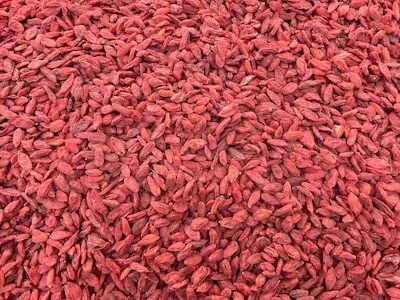
One of fourteen names inside the 500 mg GlycoAid blend
Verdict: Weak. Traditional use, animal studies, and very little human evidence.
Its Job In What Is GlycoAid
Juniper is on this label because of the traditional record and because it contributes antioxidant flavonoids. Animal studies have reported reductions in blood glucose, which is the honest extent of the mechanistic case.
Its diuretic reputation is the better-established property, and it is not a blood sugar mechanism.
On this panel it keeps company with Goji Berry, another antioxidant contributor with limited glucose evidence, and Maca Root, which is here for energy and mood rather than for glucose at all.
How Good Is The Evidence?
Blood glucose in humans: essentially none. There is animal data. Controlled human trials on juniper for glucose are not there.
Diuretic effect: traditional, weakly supported. Widely believed, thinly documented.
Antioxidant content: real. Measurable flavonoid content, like most plants.
This page is not going to construct a case that does not exist. Juniper contributes to the ingredient count and to the antioxidant content. Read it as a supporting botanical, not as a reason to buy.
Dose, Timing And What Is Printed
There is no established effective dose for juniper in glucose, because there is no human trial base to derive one from. Traditional preparations used a few grams of dried berry as an infusion.
Whatever is in this blend is a small fraction of that, which given the caution section below is not a bad thing.
Who Should Check First
Kidneys. This is the one that matters. Juniper oil can be irritating to the kidneys at high or prolonged doses. Anyone with kidney disease should avoid juniper supplements, and nobody should take concentrated juniper long term.
Pregnancy. Avoid. Juniper has traditional use as an abortifacient and a documented effect on the uterus.
Diuretics. If juniper does have a diuretic effect, stacking it on a prescribed water tablet is not sensible without asking.
Glucose medication. The usual precautionary note.
Two Claims This Is Not
Not evidence-based for blood sugar. Animal data and folk use are not the same as a human trial, and treating them as equivalent is how supplement pages go wrong.
Not a reason to drink gin. Someone always asks. The juniper content of gin is flavouring, and the alcohol does considerably more to your glucose than the berries do.
This is not medical advice. Any prescription, pregnancy, breastfeeding or diagnosed condition means a word with a doctor or pharmacist before a first capsule. Every interaction worth raising is tabulated on the safety page.
Juniper Berry: What People Ask
What readers want to know about this name in particular.
Does juniper berry lower blood sugar?
There is animal data and a long folk record. Controlled human trials for glucose are essentially absent, which is why this page grades it weak.
Is juniper safe?
At small amounts in a blend, for most healthy adults, no problem has been established. Concentrated juniper long term is a kidney concern, and pregnancy is an absolute avoid.
Why is it in the formula?
Tradition and antioxidant content. It is a supporting botanical rather than a load-bearing one, and this page says so plainly.
Can I get the same thing from gin?
No. The juniper in gin is a flavouring, and alcohol affects blood glucose considerably more than the berries ever would.
The Remaining Thirteen
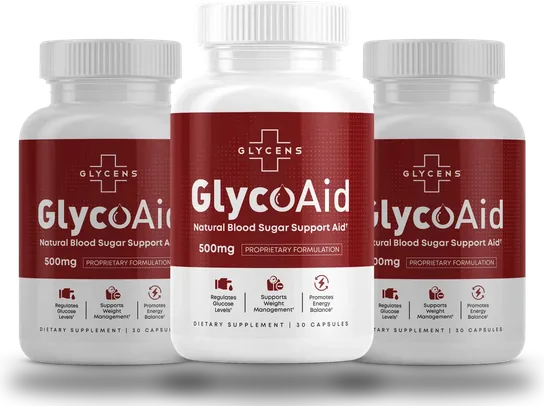
GlycoAid: Fourteen Names, One Capsule A Day
One capsule with a meal, a page for every name on the label, and sixty days to send it back if it does nothing.
- One capsule a day, taken with food
- Fourteen names, every one with its own page here
- Free US delivery on the 3 and 6 bottle packs
- Sixty days to send it back, opened bottles included