Home›Ingredients›Banaba Leaf
Ingredient 4 of 14
Banaba Leaf In GlycoAid
One of only two names on this label whose research dose could realistically fit inside a 500 mg blend. That alone makes it worth a page.
Banaba Leaf: Source And Background
Banaba is a flowering tree native to the Philippines, southern India and southeast Asia. Its leaves have been brewed as tea for blood sugar for generations, and the plant is sometimes called the crepe myrtle.
The compound extracts are standardised for is corosolic acid, a triterpene. Commercial extracts are usually declared at 1 or 2 per cent corosolic acid, and that percentage is the number that decides whether a product is doing anything.
Most of the human research comes from Japan, where banaba has been studied more seriously than in the west.
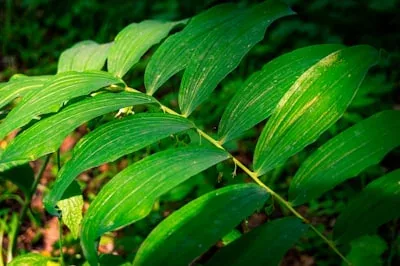
One of fourteen names inside the 500 mg GlycoAid blend
Verdict: Moderate, and unusually plausible at this dose. Standardisation is everything.
Its Job In What Is GlycoAid
Corosolic acid appears to promote glucose uptake into cells, and it has been described as insulin-like in its effect on glucose transport. There is also evidence it inhibits alpha-glucosidase, an enzyme that breaks starch down in the gut.
That second mechanism means banaba is doing something similar to White Mulberry Leaf, which works on the same enzyme family from a different angle, while Gymnema Sylvestre handles the taste and craving side.
Two mechanisms, one plant, and doses small enough that a blend can plausibly deliver them. That combination is rare on a panel like this.
How Good Is The Evidence?
Post-meal glucose: moderate. Small human trials, mostly Japanese, using standardised extract and reporting reductions in the glucose rise after a meal.
Fasting glucose: weak to moderate. Less consistent than the post-meal data.
Weight: no meaningful evidence. Occasionally claimed, not demonstrated.
The trials are small — typically ten to sixty people — and short. But unlike most of this label, the doses used were doses a real product can actually contain, which makes the evidence more relevant here even though there is less of it.
Dose, Timing And What Is Printed
The commonly cited effective range is 32 to 48 mg a day of extract standardised to corosolic acid, though some studies used more. Even at the high end, that is under a tenth of this blend.
So banaba could be present at a useful amount, and there is no way to confirm it from outside. What you can do is check where banaba sits in the ingredient ordering on the panel, since proprietary blends list heaviest first.
The other thing to look for is a standardisation figure. "Banaba leaf" with no corosolic acid percentage attached is the weakest way this ingredient can be declared, and it is also the commonest.
Who Should Check First
Glucose medication. Banaba lowers blood glucose through a plausible mechanism. Additive effects on top of insulin or an oral drug are the concern.
Kidney disease. There have been isolated reports of kidney effects at high doses of corosolic acid. Rare, and enough to ask about if kidney function is already a question.
Pregnancy and breastfeeding. No safety data. Avoid.
Surgery. Stop two weeks beforehand along with everything else on this panel that touches glucose.
Two Claims This Is Not
Not a well-known ingredient, and that is not a criticism. Obscurity is not the same as weakness. Banaba is simply less marketed than berberine.
Not interchangeable with banaba tea. The trials used standardised extract, not a brewed leaf, and the corosolic acid content of tea is unpredictable.
This is not medical advice. Any prescription, pregnancy, breastfeeding or diagnosed condition means a word with a doctor or pharmacist before a first capsule. Every interaction worth raising is tabulated on the safety page.
Banaba Leaf: What People Ask
What readers want to know about this name in particular.
What is corosolic acid?
The triterpene compound in banaba leaf that extracts are standardised for. It promotes glucose uptake into cells and inhibits an enzyme that digests starch.
How much banaba leaf do you need?
The commonly cited range is 32 to 48 mg a day of extract standardised to corosolic acid, which is one of the few doses on this label a 500 mg blend could genuinely deliver.
Is banaba safe?
For most healthy adults at supplement doses, no consistent problem has been shown. Isolated reports of kidney effects at high corosolic acid doses are the reason for the caution.
Why is banaba less famous than berberine?
Marketing rather than evidence. Berberine has had far more attention, and banaba's research sits mostly in smaller Japanese studies.
The Remaining Thirteen
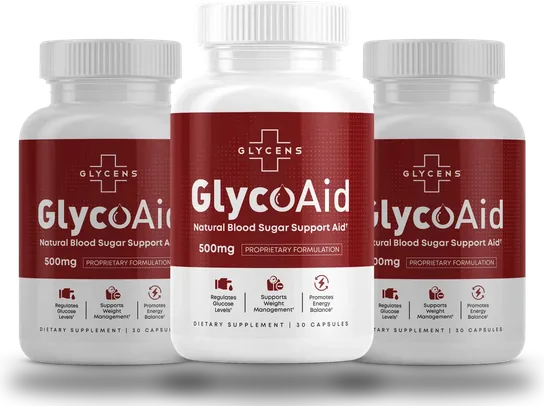
GlycoAid: Fourteen Names, One Capsule A Day
One capsule with a meal, a page for every name on the label, and sixty days to send it back if it does nothing.
- One capsule a day, taken with food
- Fourteen names, every one with its own page here
- Free US delivery on the 3 and 6 bottle packs
- Sixty days to send it back, opened bottles included