Home›Ingredients›Goji Berry
Ingredient 13 of 14
Goji Berry In GlycoAid
A fruit worth eating and a supplement ingredient worth keeping expectations low about — with one warning that genuinely matters.
Goji Berry: Source And Background
Goji berries, also called wolfberries, are the fruit of Lycium barbarum, a shrub in the nightshade family grown mainly in northern China. They have been used in Chinese medicine for well over a thousand years, usually for the eyes, liver and kidneys.
The compounds credited are Lycium barbarum polysaccharides, shortened to LBP, along with carotenoids — particularly zeaxanthin, which is where the eye claims come from.
As a food they are genuinely nutrient dense: high in vitamin A, vitamin C, iron and fibre.
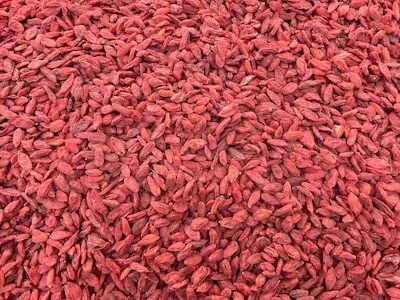
One of fourteen names inside the 500 mg GlycoAid blend
Verdict: Strong as antioxidant nutrition. Weak for glucose. One real interaction.
Its Job In What Is GlycoAid
Two things on this panel. Antioxidant intake, which is straightforward and real, and a weaker proposed effect on glucose handling attributed to the polysaccharides.
The antioxidant contribution is the honest reason it is here. Goji is one of the higher polyphenol and carotenoid foods available and adding it to a blend raises the total.
It pairs with Turmeric Root, the other major antioxidant contributor here, and Maca Root, which is on the label for energy rather than for anything measurable in the blood.
How Good Is The Evidence?
Antioxidant and carotenoid content: strong. Measurable chemistry, not a clinical claim.
Eye health: moderate. Zeaxanthin has a real research base in macular health, though mostly from studies of zeaxanthin itself rather than goji.
Glucose markers: weak. A handful of small trials of LBP report modest improvements. Small, short, and not enough to lean on.
General wellbeing and fatigue: weak. Some small trials with subjective endpoints.
Dose, Timing And What Is Printed
Trials of Lycium barbarum polysaccharide have used roughly 150 to 300 mg a day of a concentrated extract; studies of the whole fruit used considerably more. The lower end of the extract range could fit in this blend, though nothing on the label says whether it does.
If you want goji for the nutrition, the dried fruit is cheap, widely available and does more per dollar than any capsule fraction. A small handful is a reasonable snack.
Who Should Check First
Warfarin. This is the one that matters. Multiple case reports describe raised INR and bleeding in people taking warfarin who added goji berries or goji juice. The interaction is well enough documented to be listed in interaction databases. Anyone on warfarin should raise this specifically with their prescriber.
Glucose and blood pressure medication. Standard additive caution.
Nightshade allergy. Goji is related to tomato, potato and pepper. Rare, but cross-reactivity exists.
Pregnancy. Goji contains betaine and has traditional use affecting the uterus. Avoid supplement doses.
Two Claims This Is Not
Not a superfood in the way that word is used. High antioxidant content is a good thing and it is not a health strategy. Blueberries and pomegranates do the same job.
Not a glucose ingredient. The polysaccharide evidence is small and preliminary.
This is not medical advice. Any prescription, pregnancy, breastfeeding or diagnosed condition means a word with a doctor or pharmacist before a first capsule. Every interaction worth raising is tabulated on the safety page.
Goji Berry: What People Ask
What readers want to know about this name in particular.
Can goji berries interact with warfarin?
Yes, and this is well documented. Case reports describe raised INR and bleeding. Anyone on warfarin should raise it with their prescriber before starting anything containing goji.
Are goji berries good for blood sugar?
The evidence is weak. A few small trials of the polysaccharide extract report modest improvements, and that is the extent of it.
Is eating the dried fruit better?
For nutrition, yes, and it costs far less than a capsule fraction. A small handful delivers more polyphenols, fibre and vitamin A than a share of a 500 mg blend.
Why is goji in a blood sugar formula?
Antioxidant content and name recognition. It is a supporting nutritional ingredient rather than a mechanism this product depends on.
The Remaining Thirteen
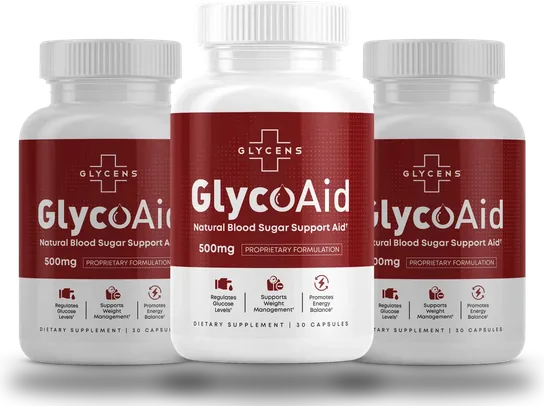
GlycoAid: Fourteen Names, One Capsule A Day
One capsule with a meal, a page for every name on the label, and sixty days to send it back if it does nothing.
- One capsule a day, taken with food
- Fourteen names, every one with its own page here
- Free US delivery on the 3 and 6 bottle packs
- Sixty days to send it back, opened bottles included