Home›Ingredients›Biotin
Ingredient 8 of 14
Biotin In GlycoAid
The least exciting name on this label carries the most practically important warning on the whole site. This page exists mainly for that warning.
Biotin: Source And Background
Biotin is vitamin B7, a water-soluble B vitamin. It occurs in eggs, liver, salmon, nuts, seeds and sweet potato, and it is also produced by bacteria in the gut.
The Adequate Intake for adults is 30 micrograms a day. Deficiency is rare and generally requires an unusual cause — long-term raw egg white consumption, some anticonvulsants, or a genetic enzyme disorder.
Supplements routinely contain 5,000 or 10,000 micrograms, which is a hundred to three hundred times the requirement. That gap is where the problem in this page comes from.

One of fourteen names inside the 500 mg GlycoAid blend
Verdict: Strong as nutrition. The test interference matters far more than the vitamin does.
Its Job In What Is GlycoAid
Biotin is a cofactor for five carboxylase enzymes involved in fatty acid synthesis, amino acid metabolism and gluconeogenesis. It carries approved claim wording for contributing to normal macronutrient metabolism, which is what puts it on a blood sugar panel.
Read that wording carefully. Contributing to normal metabolism describes a cofactor filling a requirement, not a product speeding anything up.
It works here alongside Chromium, the other micronutrient with an official intake figure, and Alpha-Lipoic Acid, which shares its cofactor role in energy metabolism from a different position.
How Good Is The Evidence?
Macronutrient metabolism: approved. Not a trial result being spun. It is authorised claim language, granted because the biochemistry is established.
Correcting deficiency: strong. Where someone is genuinely short, supplementation works.
Glucose control: weak. Some small studies, often combining biotin with chromium, report modest changes. Not enough to build anything on.
Hair, skin and nails: weak in people who are not deficient. This is the claim biotin is sold on everywhere, and the evidence for it in people with normal biotin status is thin.
Extra energy in people who are not short: no. Filling a requirement you had already met does not produce a felt effect.
Dose, Timing And What Is Printed
Thirty micrograms is the adequate intake. Supplement doses run from 100 micrograms up to 10,000, with no evidence that the higher figures do more for anybody who is not deficient.
By weight biotin is trivial inside a 500 mg blend — even 10,000 micrograms is 10 mg, which is two per cent of the blend. So the amount here could be anything from nutritional to megadose, and the percent daily value on your panel is the way to find out.
That figure is worth checking on this ingredient specifically, for the reason below.
Who Should Check First
The laboratory interference warning. Biotin interferes with immunoassays that use biotin-streptavidin binding, which is a very large share of hospital blood tests. The FDA has issued safety communications about it. Affected tests include thyroid function, cardiac troponin, vitamin D, and several hormone panels. A falsely low troponin has contributed to at least one death, because a heart attack was missed.
The rule is simple and it costs nothing: tell whoever takes your blood that you take biotin. Most laboratories ask for it to be stopped a few days beforehand.
Which is a real caution and which is not. Biotin itself is remarkably non-toxic; no tolerable upper limit has been set because harm from high intake has not been demonstrated. The danger here is not the vitamin, it is the wrong test result.
Stacking. Biotin appears in multivitamins, B-complexes, hair supplements and gummies. Add the figures up before assuming your total is small.
Two Claims This Is Not
Not a hair growth treatment. In people with normal biotin status the evidence is weak, whatever the marketing on a separate bottle says.
Not harmless in the way people assume. The vitamin is safe. The blood test interference is a genuine clinical problem.
This is not medical advice. Any prescription, pregnancy, breastfeeding or diagnosed condition means a word with a doctor or pharmacist before a first capsule. Every interaction worth raising is tabulated on the safety page.
Biotin: What People Ask
What readers want to know about this name in particular.
Why does biotin affect blood tests?
Many hospital immunoassays use a biotin-streptavidin binding step. Excess biotin in the sample competes with that step and can push results falsely high or falsely low depending on the assay design.
Which tests are affected?
Thyroid function, cardiac troponin, vitamin D and several hormone panels are the commonly cited ones. Your laboratory can tell you which of its assays are biotin-sensitive.
Should I stop taking it before a blood test?
Most laboratories advise stopping for a few days beforehand. Tell whoever takes the sample regardless — that single sentence is the whole precaution.
How much biotin do I actually need?
Thirty micrograms a day for adults, which an ordinary diet supplies. The 5,000 and 10,000 microgram products are far above any demonstrated requirement.
The Remaining Thirteen
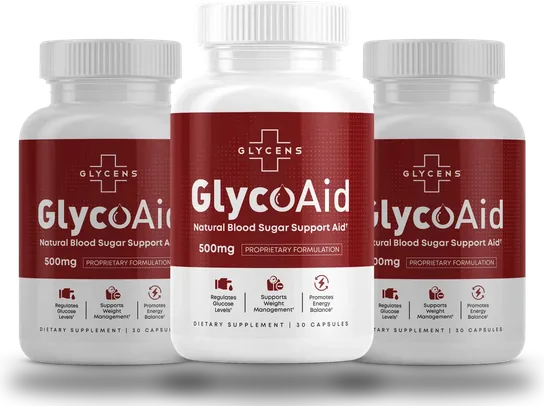
GlycoAid: Fourteen Names, One Capsule A Day
One capsule with a meal, a page for every name on the label, and sixty days to send it back if it does nothing.
- One capsule a day, taken with food
- Fourteen names, every one with its own page here
- Free US delivery on the 3 and 6 bottle packs
- Sixty days to send it back, opened bottles included